(301) 220-6955
When you search for a couples therapist or relationship counselor in Columbia, you’ll encounter professionals with a range of credentials — LCPCs, LCSWs, LMFTs, licensed psychologists, and unlicensed coaches — each operating under different legal frameworks that define what they can and cannot do.
Maryland’s professional counselor scope of practice rules, administered through the Maryland Board of Professional Counselors and Therapists, establish the legal boundaries that govern licensed counseling practice in the state. Understanding what those boundaries mean gives Howard County couples a more informed basis for choosing who they trust with their relationship.
How Maryland Licenses Professional Counselors
Maryland’s Board of Professional Counselors and Therapists licenses two primary categories of professional counselors: the Licensed Graduate Professional Counselor (LGPC) and the Licensed Clinical Professional Counselor (LCPC). The LGPC is an entry-level license for counselors who have completed a graduate degree in counseling but are still accumulating the supervised clinical hours required for full licensure. The LCPC is the independent practice license — the credential that authorizes a counselor to practice without supervision and to diagnose and treat mental health conditions.
That distinction matters practically for Columbia and Howard County residents seeking relationship counseling. An LGPC is fully authorized to provide counseling services but does so under the supervision of a licensed clinical supervisor.
An LCPC has met Maryland’s full licensure requirements — including passing the National Counselor Examination and completing post-graduate supervised experience — and practices independently. The Maryland Board of Professional Counselors and Therapists maintains a public license verification system that Columbia couples can use to confirm any counselor’s current license status, license type, and disciplinary history before scheduling a first appointment.

What Maryland’s Scope of Practice Rules Govern
Maryland’s scope of practice rules define what licensed professional counselors are legally authorized to do — and equally importantly, what falls outside their authorized scope. LCPCs in Maryland are authorized to assess, diagnose, and treat mental and emotional disorders, provide individual and group psychotherapy, conduct clinical assessments, and offer relationship and couples counseling within their area of competency.
The scope of practice framework also governs what unlicensed practitioners — life coaches, relationship coaches, and other non-licensed providers — are and are not permitted to do. In Maryland, diagnosing mental health conditions, providing clinical treatment, and holding oneself out as providing psychotherapy or counseling without the appropriate license constitutes unauthorized practice — a violation the Board investigates and can prosecute.
For Columbia couples evaluating providers, that distinction between licensed counselors and unlicensed coaches isn’t just a technicality; it affects the depth of clinical training, the ethical accountability framework, and the legal protections that govern the relationship. The American Counseling Association’s consumer resources explain the difference between licensed counselors and unlicensed coaches — helping Columbia couples make informed decisions before entering any therapeutic relationship.
How Maryland’s Counselor Licensing Requirements Compare
Maryland’s LCPC requirements are among the more rigorous in the Mid-Atlantic region. Candidates must complete a 60-semester-hour master’s degree from an accredited counseling program, pass the National Counselor Examination for Licensure and Certification (NCE), accumulate 3,000 hours of post-graduate supervised clinical experience including a minimum number of direct client contact hours, and pass a state jurisprudence examination demonstrating knowledge of Maryland’s counseling laws and ethics.
That training depth matters for couples seeking relationship counseling in Columbia and the broader Howard County area because relationships present complex clinical challenges — attachment disruptions, trauma histories, communication patterns rooted in childhood experience, and co-occurring individual mental health concerns that intersect with relational dynamics.
The American Counseling Association’s ethical standards govern licensed counselors nationally and establish the competency requirements that Maryland’s LCPC framework builds on — ensuring that licensed relationship counselors have demonstrated both clinical knowledge and ethical grounding before practicing independently.
What Columbia Couples Should Ask Before Starting Counseling
Understanding Maryland’s professional counselor scope of practice gives Howard County couples specific verification questions to ask any relationship counselor before beginning work together. These questions establish the provider’s credentials, legal authorization, and relevant experience:
- Does the counselor hold a current Maryland LCPC license — and can they provide their license number for independent verification through the Board’s public database?
- If the provider is an LGPC, who is their clinical supervisor, and how does supervision work in practice?
- Does the counselor’s training and experience specifically include couples and relationship work — not just individual therapy?
- Is the provider a licensed counselor, therapist, or psychologist — or are they operating as an unlicensed coach without clinical credentials?
- What is the counselor’s approach to relationship work, and how do they handle situations where one or both partners present with individual mental health concerns alongside relational issues?
A provider who answers these questions transparently and welcomes verification is one operating with the professional accountability Maryland’s licensing framework is designed to require.

Columbia Relationship Counseling That Delivers Real Results
Understanding Maryland’s professional counselor scope of practice gives Columbia and Howard County couples a clearer picture of the credential landscape — and a practical basis for evaluating any provider they consider. The right relationship counselor combines clinical authorization, relevant training, and a genuine methodology for producing the breakthroughs that stuck couples are searching for.
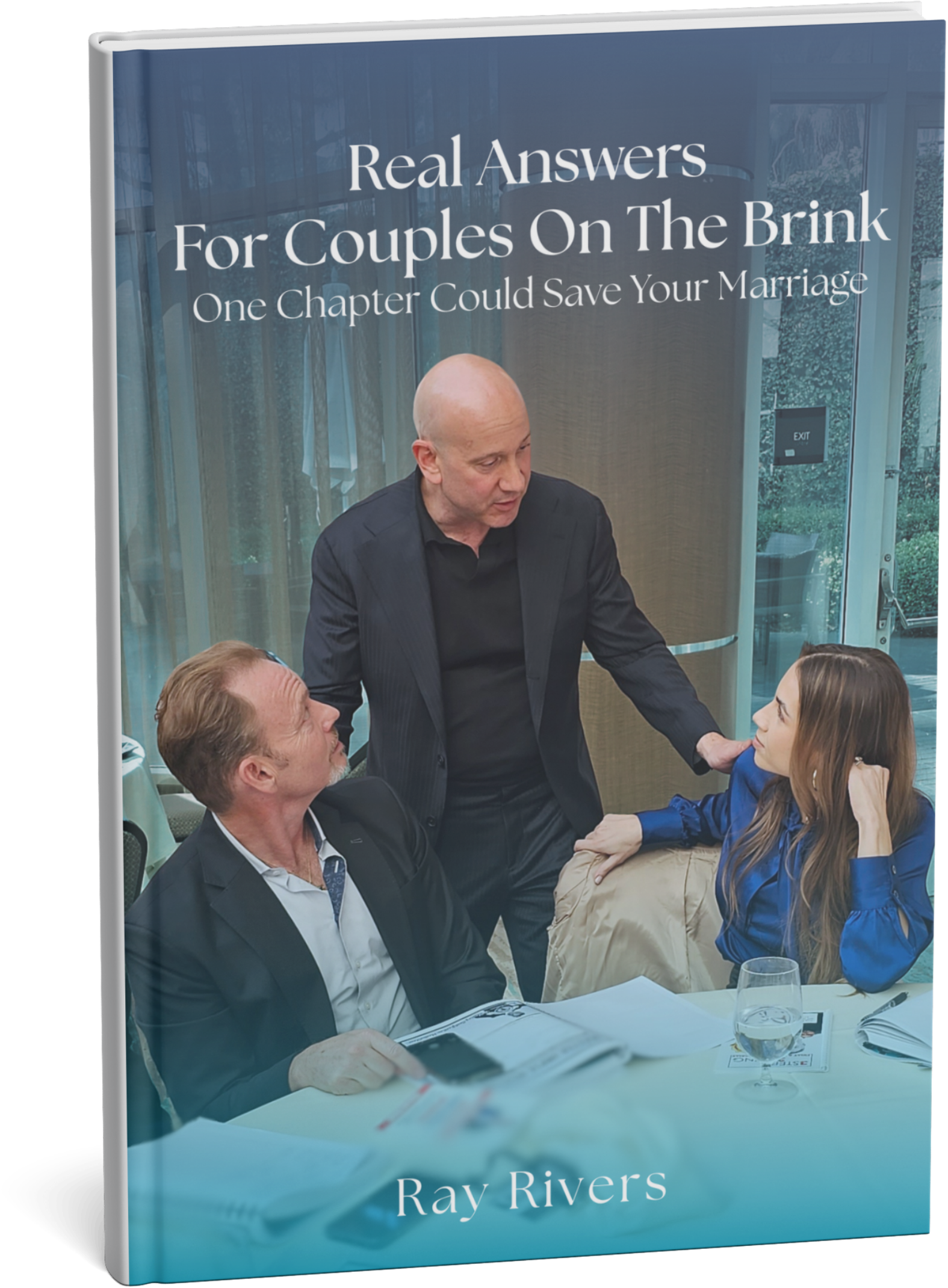
Relationship Remedy serves couples across Columbia, Baltimore, Ellicott City, Silver Spring, and Washington, DC with a premium counseling approach built on straight-talk, wisdom, and the kind of direct guidance that clients consistently describe as refreshing. Whether you’re tired of walking on eggshells or ready to explore the program details and see exactly how the process works, Relationship Remedy offers the speed and depth that real breakthroughs require.
CALL RAY RIVERS at (301) 220-6955 and take the first step toward the relationship you both want.