
 (301) 220-6955
Columbia, Maryland, is widely recognized as one of the earliest and most influential planned communities in the United States. Developed in 1967 by James Rouse, the city was intentionally designed to promote social cohesion, accessibility, and balanced living. At the center of this design is Columbia’s “village system,” a structure that organizes neighborhoods into distinct yet interconnected communities.
This system plays a defining role in everyday life across Columbia, Maryland, influencing how residents navigate their environment and interact with one another. Unlike conventional suburban layouts, Columbia’s design emphasizes walkability, shared spaces, and community identity. As a result, understanding the village system provides insight into how residents experience both independence and interdependence within their neighborhoods.
The Structure of Columbia’s Village System
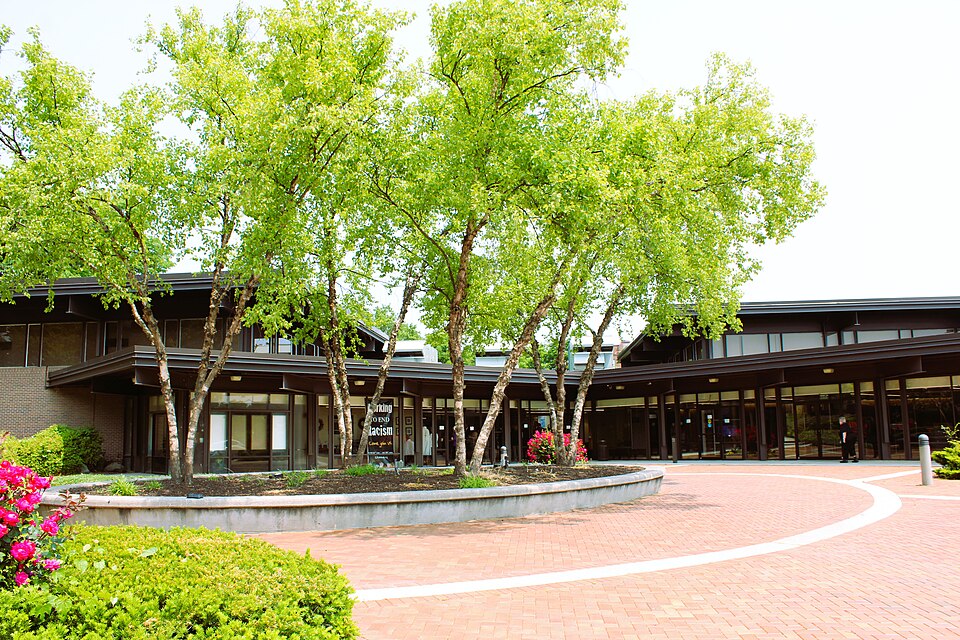
Columbia consists of ten self-contained villages, each functioning as a micro-community within the larger city. Every village includes residential areas, shopping centers, schools, and recreational facilities, all designed to be accessible without extensive travel.
Each village typically contains:
- A village center with retail and essential services
- Neighborhoods organized into smaller “neighborhood units”
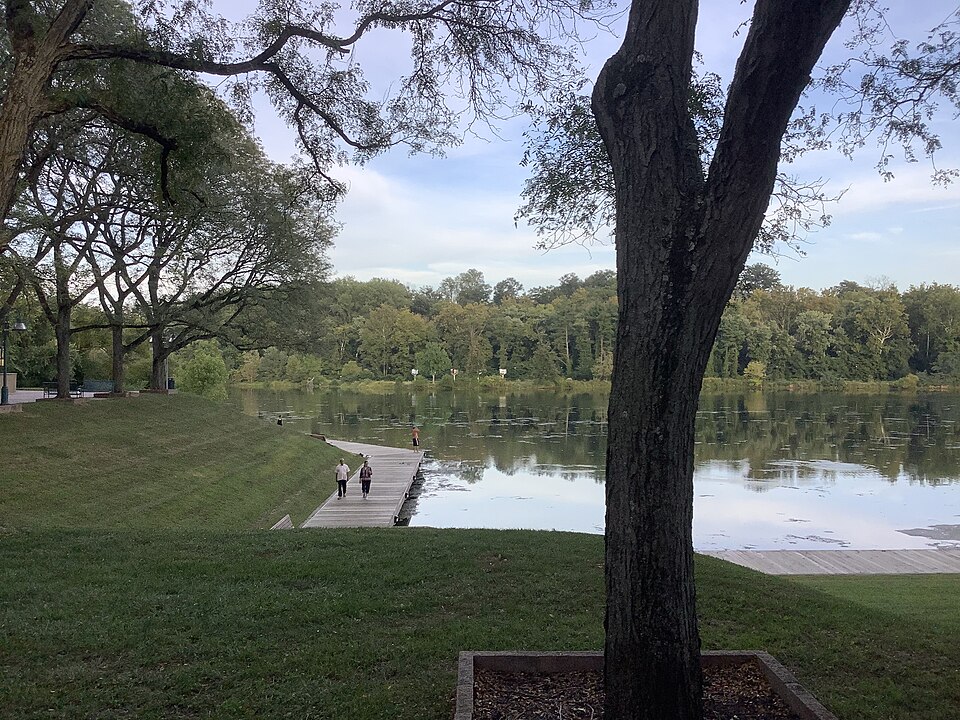
- Access to parks, lakes, and walking trails
- Community associations that oversee local matters
This structure reflects principles of urban planning known as “New Town” development, which aim to reduce urban sprawl and encourage community engagement. According to the smart growth principles outlined by the U.S. Environmental Protection Agency, such designs promote sustainability, reduced car dependency, and improved quality of life.
Why the Village System Matters Locally
Columbia’s village system is not just a planning concept—it directly influences how residents interact with their environment and each other. The layout encourages frequent social contact, which can contribute to stronger interpersonal relationships and a sense of belonging.
This is particularly relevant in Howard County, where population growth and suburban expansion have increased demand for organized, livable spaces. Columbia’s structure helps mitigate issues like traffic congestion and social isolation by decentralizing amenities across villages rather than concentrating them in a single urban core.
Additionally, Maryland’s seasonal climate—characterized by humid summers and cold winters—makes localized access to services especially valuable. Residents benefit from shorter travel distances during extreme weather conditions, which enhances safety and convenience.
Governance and Community Associations
Each village operates under a community association, a governing body responsible for maintaining shared spaces, enforcing covenants, and organizing events. These associations play a critical role in preserving the character and functionality of each village.
Key Responsibilities of Village Associations
- Managing common areas such as parks and pathways
- Enforcing architectural guidelines and property standards
- Hosting community events and meetings
- Representing residents in broader Columbia governance
These associations function alongside the Columbia Association (CA), a nonprofit organization that oversees larger amenities like fitness centers, pools, and open space management. The CA operates under Maryland nonprofit law and contributes to maintaining Columbia’s infrastructure and environmental stewardship.
Social and Psychological Implications of the Design
Columbia’s village system was designed with social outcomes in mind. By fostering smaller, identifiable communities within a larger city, the system supports social cohesion and reduces anonymity often found in suburban environments.
Research from institutions such as the National Institutes of Health suggests that neighborhood design can significantly influence mental well-being, social interaction, and stress levels. Walkable communities with shared spaces tend to promote more frequent social engagement, which is associated with improved emotional health.
In Columbia, features like interconnected pathways and communal gathering areas encourage residents to interact organically. These design elements can be especially relevant for families, couples, and individuals navigating life transitions, as they provide opportunities for connection and support within the immediate environment.
Environmental and Planning Considerations
Columbia’s village system also reflects a strong commitment to environmental planning. The integration of green spaces, lakes, and preserved woodlands aligns with regional conservation goals in Maryland.
Howard County experiences varied seasonal conditions, including heavy rainfall and occasional snow. The village layout incorporates stormwater management systems, retention ponds, and natural buffers to mitigate flooding and erosion. These features are consistent with guidelines from the Maryland Department of the Environment, which emphasize sustainable land use and water quality protection.
Moreover, the emphasis on walkability and reduced vehicle reliance contributes to lower emissions and improved air quality. This aligns with broader state and federal sustainability initiatives aimed at reducing environmental impact in suburban developments.
Evolution and Modern Relevance
While Columbia’s village system originated in the 1960s, it continues to evolve in response to changing demographics and urban planning trends. New developments and renovations aim to maintain the original vision while adapting to modern needs, such as increased density and technological integration.
Today, Columbia serves as a model for planned communities across the United States. Its village system demonstrates how intentional design can influence not only physical space but also social dynamics and quality of life.
As urban and suburban areas continue to grow, Columbia’s approach offers a framework for balancing development with community well-being, environmental responsibility, and local accessibility.






Leave a Reply